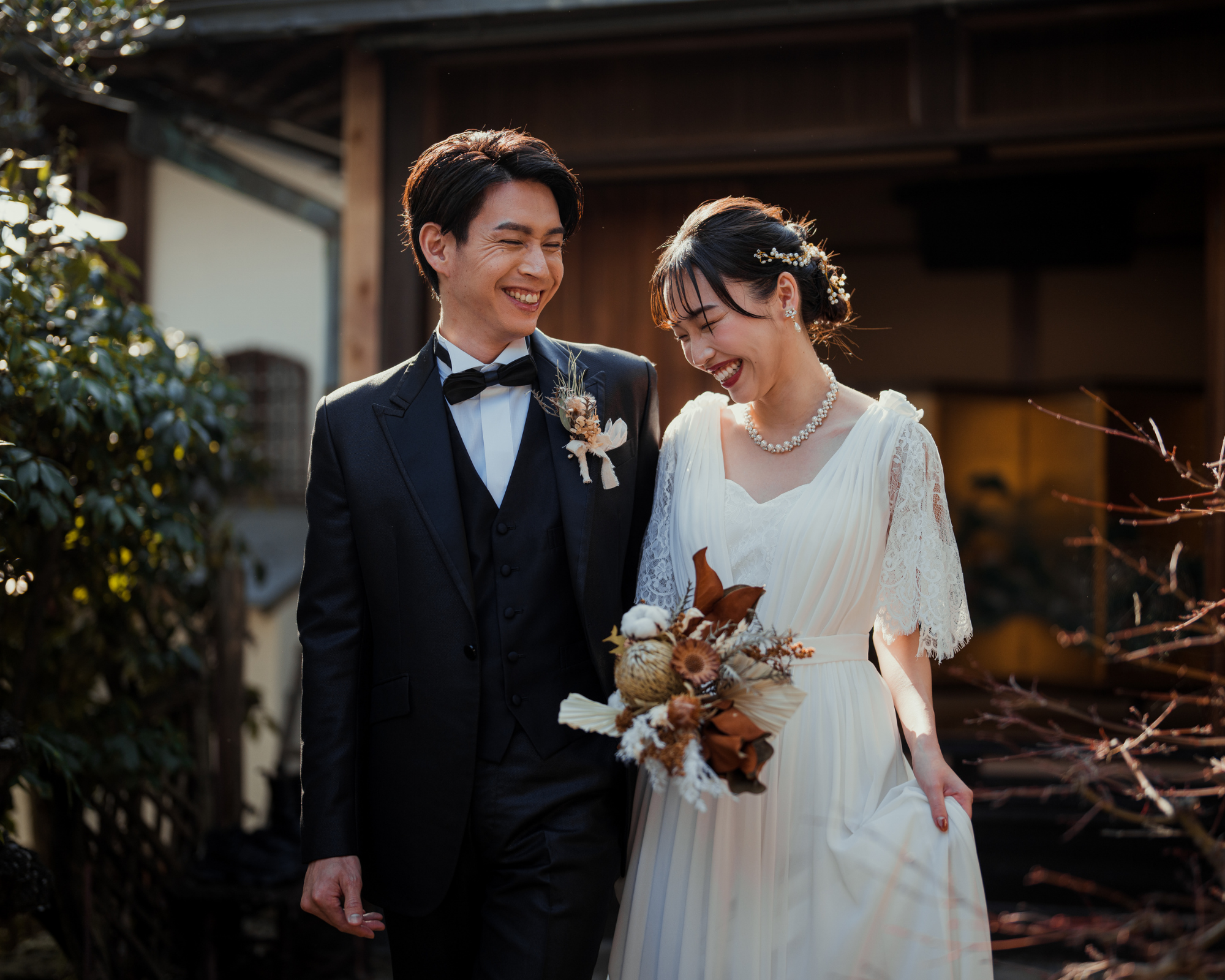
Marriage as an institution has always been a foundation of the Pakistani society and the family has been dominated by arranged rishtas over the decades. Nevertheless, the world is evolving and younger generations are growing, and so do the attitudes to marriage. Gen Z in 2025 is changing the approach to proposals, commitments and weddings in Pakistan. Although arranged marriages are still prevailing, love marriages are being accepted and a new trend arrangement love marriages is balancing the gap between the tradition and the modernity.
Then, just like, how exactly Gen Z is making marriage in Pakistan redefine itself, and what is the future of rishtas? Let’s dive deeper.
Gen Z and Shifting
Priorities
Gen z, the individuals between 1997 and
2012, were brought up in an age of fast technological, cultural, and economic
change. They are unlike their parents:
- Digitally
connected — social media, apps, and video calls play a
role in building relationships.
- Career-oriented —
many prioritize education, financial independence, and stability before
marriage.
- Value-driven — they want emotional compatibility and mutual respect, not just family approval.
Such
an evolution of the generation implies that the family traditions still play a
significant role, but an individual choice is gaining more and more importance.
The Rise of Love Marriages
Love marriages were once frowned upon in many Pakistani households, but
Gen Z is changing this perception. In 2025:
- Universities
and workplaces are common places where couples meet.
- Social
media platforms like Instagram, TikTok, and Snapchat have
become spaces where friendships turn into relationships.
- Privacy
and independence are more important, many Gen Z couples want
to build a bond before involving their families.
While resistance still exists in more conservative areas, urban Pakistan
is gradually normalizing love marriages.
Why Arranged Marriages
Still Matter
Despite changing mindsets, arranged marriages remain strong in Pakistan
for several reasons:
- Cultural
values — families feel it ensures stability and
compatibility through shared backgrounds.
- Parental
involvement — parents believe their life experience helps
make wise choices.
- Community
reputation — many families still rely on traditional
rishta aunties, relatives, or family networks to find matches.
However, for Gen Z, arranged marriages are no longer about blind
acceptance. Instead, they are about choice with consultation the final decision
increasingly lies with the individual, even if the process is initiated by the
family.
The Hybrid Model: Arranged
Love Marriage
One of the most notable trends in 2025 is the rise of arranged love
marriages. As the name itself also implies, here’s how it works:
- Families
introduce potential matches (arranged).
- The
couple gets time to talk, meet, and build a connection (love).
- If
both agree, the marriage moves forward with family blessings.
This model is rapidly gaining popularity as it satisfies both sides:
families feel secure, while Gen Z feels empowered to make their own decision.
Technology’s Role in Modern
Rishtas
Digital platforms are playing a huge role in how Gen Z navigates
marriage:
- Matrimonial
websites and apps like Shaadi.com,
Nikah.pk, and Gflashy.com offer digital matchmaking.
- Social
media rishtas — many families now check compatibility
through profiles, interests, and online presence.
- Virtual
meetings — video calls make it easier for overseas
Pakistanis to explore matches.
Digital
platforms, matrimonial apps, and even WhatsApp groups are reshaping rishta
culture. Websites like Gflashy keep track of these evolving trends, showing how
Gen Z couples balance family expectations with personal choice. Even
traditional rishta aunties are now using such applications, where WhatsApp
groups are used to share biodatas and photos. Technology has made matchmaking
faster, more transparent, and often more empowering for young people.
Gender Dynamics: More
Agency for Women
Another big change is the growing role of women in marriage decisions.
Gen Z women, often educated and financially independent, are more vocal about
what they want in a partner. They emphasize:
- Equal
respect and partnership. (Which is their lawful right)
- Shared
household responsibilities.
- Understanding
of career/future goals.
This empowerment is gradually reducing the pressure of marrying “just
for the sake of it,” replacing it with marriages built on compatibility and
respect.
Challenges Still Remain
While progress is clear, challenges persist:
- Family
pressure still forces some into marriages they do not
want.
- Class,
caste, and sect preferences continue to influence
decisions.
- Stigma
around divorce makes families cautious about granting too
much independence.
However, Gen Z is pushing back against these barriers and advocating for
open conversations and more flexible approaches.
The Future of Marriage in
Pakistan
Today, love and arranged are no longer
issues to consider in marriage in Pakistan. It is a matter of decision,
trade-off, and fit instead. The gen Z is not abandoning traditions; the young
generation is redefining the traditions to suit the present realities. The
emergence of arranged love marriages, the power of technology and increased
involvement of women in making decisions are indications of a society that is
transforming but is yet to retain the cultural values as its core. Gflashy is a
source that tells readers more about the changing traditions of marriage and
can be viewed as the guide to the contemporary Pakistani culture.
Final Thoughts
Pakistan marriage has been a combination
of both tradition and family honour. But Gen Z is showing that there is still
no need to be respectful of tradition to the point of not being individual.
Having established a middle ground between love and arranged marriages, they
are reshaping the meaning of “Qabool hai” in contemporary Pakistan.
It doesn't matter whether it is family
introductions, apps, or personal connections, the one thing is clear in 2025,
marriage will be about establishing partnerships grounded on love, trust and
mutual respect with a small assist of the family and technology.